Traditional municipal water filtration is a heavy, chemical-intensive process that relies on chlorine, ozone, and massive amounts of electrical power to force water through synthetic plastic membranes. While these systems are functional, they generate significant waste and struggle to filter out modern microplastics and pharmaceutical residues. To create a cleaner, more efficient purification system, materials scientists are studying the molecular structures of living cells. The result is a biomimicry breakthrough: filtration membranes embedded with aquaporin proteins.
Aquaporins are nature’s specialized water channels. Found in the cell membranes of plant roots, human kidneys, and bacteria, these microscopic proteins serve a single, vital purpose: allowing water molecules to pass through cell walls while blocking all salt, minerals, and contaminants. The channel inside an aquaporin is so microscopic that water molecules must align in a single-file line to pass through, creating a flawless, natural filter operating at the atomic level.
To scale this up for industrial use, biotech firms are bonding these natural aquaporin proteins onto lightweight, durable backing sheets. When wastewater is pumped through these bio-synthetic membranes, the aquaporins pull pure water through the barrier while completely blocking heavy metals, microplastics, and chemical toxins. This process requires a fraction of the pressure used in traditional reverse osmosis, resulting in massive energy savings.
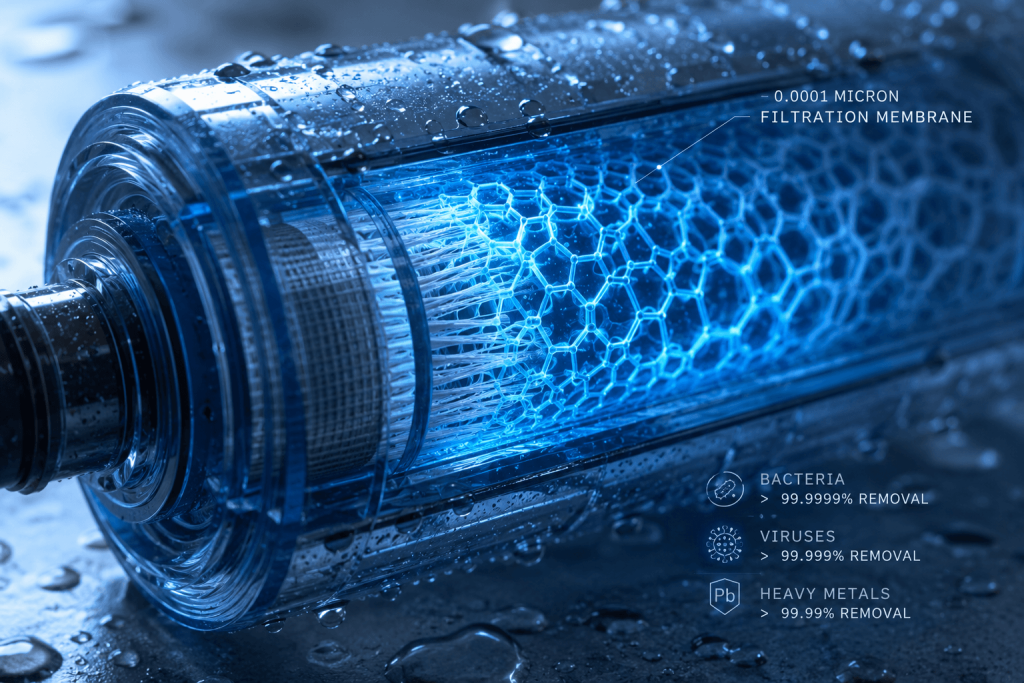
“We are utilizing the exact filtration mechanisms developed by nature over billions of years. By embedding living proteins into our municipal water systems, we can generate pure drinking water with minimal energy and zero harsh chemicals.”
The applications for this molecular filtration technology are incredibly diverse. It is currently being used to desalinate seawater, reclaim industrial wastewater, and even purify sweat and wastewater for astronauts aboard the International Space Station. Because the protein channels are highly resilient, the membranes can be washed and reused for years, drastically reducing the plastic waste generated by traditional synthetic filters.
As global clean water demands continue to rise, integrating biomimetic aquaporin systems into local municipal grids will secure a safe, sustainable supply of drinking water. It is a perfect demonstration of how biological engineering can replace heavy industrial chemistry with elegant, natural solutions. The future of clean water is molecular, organic, and beautifully efficient.